Retro Line Icon Review
First Impressions of Retro Line Icon
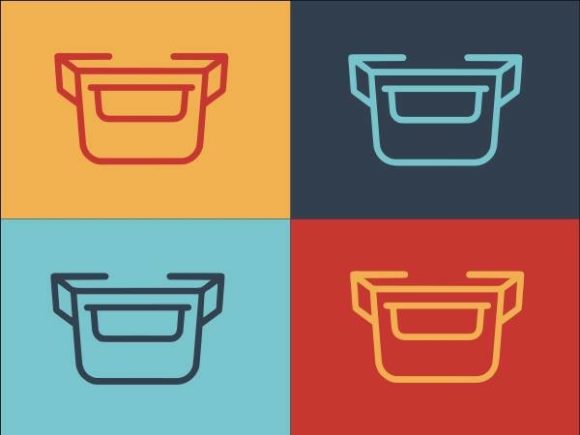
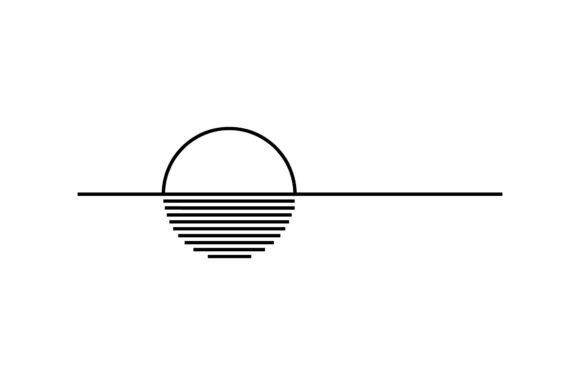
The Retro Line Icon design immediately evokes a sense of nostalgia and simplicity. Its clean lines and minimalist approach make it feel timeless, yet modern enough to fit into a variety of styles. The icon’s layout is balanced, with a clear visual hierarchy that makes it easy to recognize at a glance.
The design’s theme is subtle but effective. It doesn’t scream for attention, but it holds its own in a lineup of other graphics. This makes it ideal for projects where understated elegance is key. Whether used as an embroidered patch or a decorative element on a tote bag, it feels like it belongs.
Real-World Embroidery Scenarios
When considering how Retro Line Icon would perform in real embroidery situations, it’s important to think about the types of projects it would naturally fit. For example, a custom embroidered tote bag featuring this design could be a hit at a local craft fair or online store. Its scalability means it can be adjusted for different sizes without losing clarity.
On a sweatshirt or t-shirt, the design would look neat and professional. It’s not overly complex, which helps maintain stitching clarity, especially when using a fill stitch or satin stitch. This makes it a good choice for both personal and commercial use.
For baby items, such as onesies or blankets, the design’s simplicity is a plus. It avoids any sharp edges or intricate details that might be hard to stitch on delicate fabrics. Plus, its retro vibe adds a charming touch to nursery decor or personalized gifts.
Where to Use Carefully
While Retro Line Icon is versatile, there are certain situations where caution is needed. On small hoop sizes, the design might require careful placement to ensure all elements are captured properly. This is especially true if the design includes fine details or tight corners.
Textured fabrics can also pose a challenge. If the fabric has a lot of nap or pile, the design may not show up as clearly as it would on a smooth surface. Thin or stretchy fabrics might require additional stabilizer to prevent puckering or distortion during stitching.
Dark fabrics can sometimes make the design less visible, depending on the thread color chosen. It’s wise to test the design on a sample piece before committing to a larger project. Similarly, curved surfaces like caps or hats might require some adjustment to ensure the design sits correctly and doesn’t get stretched or distorted.
Impact on Visual Appeal and Customer Perception
Retro Line Icon has the potential to enhance the visual appeal of any product it’s used on. Its clean lines and minimalistic style can elevate the overall look of a handmade product or custom apparel. This can increase the perceived value of the finished item, making it more attractive to customers.
Stitching clarity is another important factor. Since the design isn’t overly detailed, it should translate well into machine embroidery. This means less risk of errors or inconsistencies, which can help build customer trust. A well-executed design reflects professionalism and attention to detail.
For Etsy sellers or small shop owners, the design’s versatility can be a big asset. It can be used across multiple product types, from printable mockups to physical items. This flexibility can help streamline the creative process and offer more options to buyers.
Practical Designer Notes
Before using Retro Line Icon in any project, it’s always a good idea to test the design on scrap fabric. This allows you to see how it looks in real life and make any necessary adjustments. Checking thread color contrast is also essential—especially if the design will be placed on dark or light backgrounds.
Reviewing stitch density is another key step. If the design is too dense, it might cause issues with fabric tension or thread breakage. Confirming the correct hoop size ensures that the design fits comfortably and stitches evenly. Inspecting small details can help identify any areas that might need tweaking before final production.
Testing the design in black and white mockups can also be helpful. This gives a clearer idea of how the design will look without the influence of color. Comparing it on light and dark fabric backgrounds can reveal any visibility issues that might not be obvious at first glance.
Using the right stabilizer is crucial, especially when working with delicate or stretchy fabrics. It helps keep the design in place and prevents distortion. Making sure the design works for both personal and commercial projects is also important—especially if you plan to sell finished items or digital products.
Final Thoughts on Retro Line Icon
Retro Line Icon is a solid choice for designers looking for a versatile, scalable graphic. Its clean, minimalist style makes it suitable for a wide range of embroidery projects, from custom apparel to personalized gifts. It’s particularly well-suited for small business owners, Etsy sellers, and crafters who want to add a touch of retro charm to their products.
While it’s not perfect for every situation, its strengths in clarity, scalability, and adaptability make it a valuable addition to any design library. With proper testing and consideration, it can become a go-to option for many embroidery projects.
As with any machine embroidery design, it’s important to check the file formats and licensing terms before use. But given the information provided, Retro Line Icon seems to offer a reliable and practical solution for a variety of creative applications.