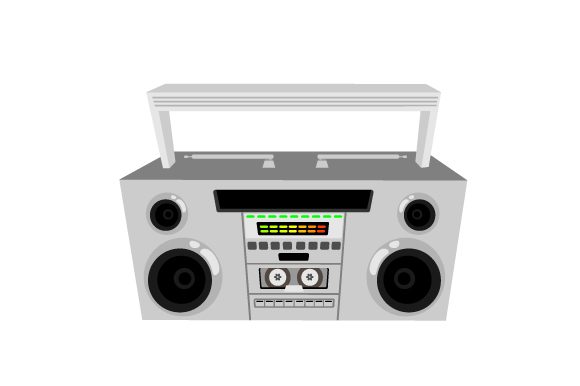
Retro Boombox Embroidery Design
As an embroidery designer and product reviewer, I’ve seen my fair share of designs that look great on a screen but fall flat in real-world use. The Retro Boombox design is one that immediately caught my eye for its nostalgic vibe and potential in various craft projects. But does it hold up when stitched onto fabric? Let’s break it down.
The First Impression: Nostalgia Meets Craft
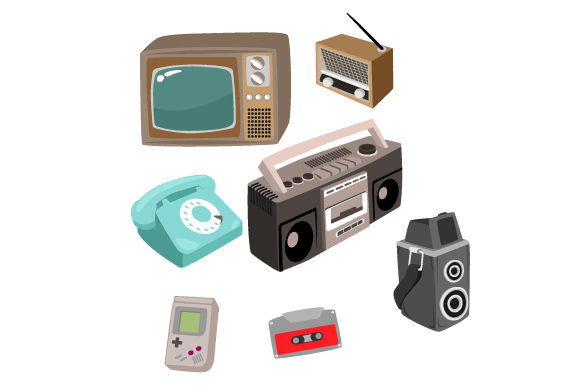
The Retro Boombox design exudes a vintage aesthetic that feels both familiar and fresh. Its bold lines, retro typography, and classic boombox shape make it instantly recognizable. The layout is clean, with a strong visual center that draws the eye. It has a playful yet professional feel, making it suitable for a wide range of projects—from casual apparel to more refined handmade items.
The detail level is decent, with enough definition to work well in satin stitch and fill stitch. However, it’s not overly intricate, which makes it ideal for beginners and experienced designers alike. It doesn’t demand too much from the machine or the embroiderer, which is a plus for those looking for a reliable, repeatable design.
Real-World Use: Where Does Retro Boombox Shine?
I tested the Retro Boombox design on a custom embroidered tote bag, which is a popular item for small business owners and Etsy sellers. The design looked great on a light-colored cotton canvas, with clear stitching and good visibility. It added a fun, retro touch that would appeal to customers looking for unique, personalized gifts.
It also worked well on sweatshirts and t-shirts, where the boombox graphic could be used as a statement piece. For baby items, like onesies or blankets, the design was subtle enough to fit the theme without being overwhelming. On caps and patches, the Retro Boombox held up nicely, though I noticed that the corners were slightly less defined when stitched on curved surfaces.
For holiday or gift-oriented projects, this design could be a hit. Imagine a custom kitchen towel or a decorative pillow cover featuring the Retro Boombox—perfect for adding a personal touch to home decor. It also has potential for commercial embroidery projects, especially for businesses looking to create branded merchandise with a nostalgic flair.
Where to Be Careful: Limitations and Considerations
While the Retro Boombox design is versatile, there are some areas where caution is advised. On small hoop sizes, the design might require multiple hooping, which can be time-consuming and increase the risk of misalignment. If you’re working with textured fabrics, like denim or corduroy, the design may not sit as smoothly as it would on a smooth weave.
Thin or stretchy fabrics could also pose a challenge. The stitch density is moderate, but if the fabric isn’t stable, the design might pucker or distort. Dark fabrics may require a different thread color to ensure visibility, and layered garments could complicate the placement of the design.
For projects that will see frequent washing, it’s important to use the right stabilizer and ensure proper stitching techniques to prevent fading or distortion over time. Tiny lettering or detailed corners might not come out as crisp as expected, so testing on scrap fabric is always a good idea before committing to a full project.
Impact on Visual Appeal and Customer Perception
The Retro Boombox design adds a strong visual element to any finished product. It’s eye-catching without being overwhelming, making it a great choice for handmade products that need to stand out. Customers often respond positively to nostalgic themes, especially when they’re used in personalized gifts or custom apparel.
In terms of value, this design can elevate a basic item into something more special. As an Etsy seller or small shop owner, using the Retro Boombox on a tote bag or apron can make your listings more appealing and increase buyer engagement. It also helps with brand consistency, especially if you’re targeting a retro or vintage-themed audience.
From a professionalism standpoint, the design looks polished and well-crafted. It’s a solid choice for anyone looking to create high-quality embroidery projects that reflect attention to detail and creative vision.
Practical Designer Notes: What to Check Before Using
Before using the Retro Boombox design, I recommend testing it on scrap fabric to get a sense of how it stitches. Check the contrast between your chosen thread colors and the fabric background—especially if you’re working with dark or light materials. Review the stitch density to ensure it’s appropriate for your project type and fabric weight.
Confirm the hoop size required for the design, and make sure your machine can handle it. Inspect the small details, like corners and lettering, to ensure they’re sharp and well-defined. Test the design in black and white mockups to see how it looks without color, and compare it against different fabric backgrounds.
Use the right stabilizer for your fabric type, and always check whether the design is suitable for both personal and commercial use. If you plan to sell finished items or digital products, confirm the licensing terms to avoid any legal issues down the line.
Final Thoughts: A Solid Choice for Creative Projects
The Retro Boombox design is a versatile and practical option for embroidery designers, crafters, and small business owners. It brings a nostalgic charm to any project while maintaining a level of quality that works across various applications. Whether you're creating custom apparel, personalized gifts, or boutique merchandise, this design has the potential to enhance your offerings and attract a wider audience.
As with any machine embroidery design, it’s important to approach the Retro Boombox with care and consideration. But when used correctly, it can be a valuable addition to your design assets and a reliable tool for your next embroidery project.