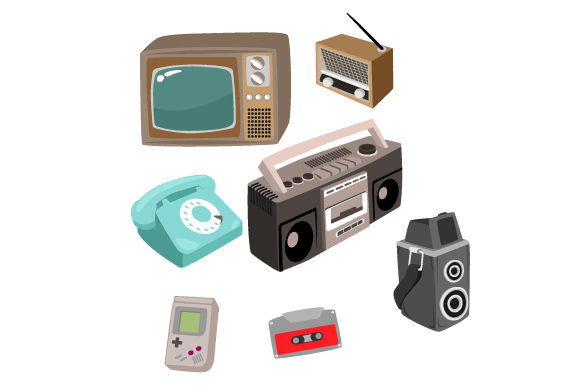
Retro Technology Embroidery Design
As an embroidery designer and product reviewer, I’ve seen thousands of machine embroidery designs come and go. But when I first laid eyes on Retro Technology, I knew it had the potential to stand out in a crowded market. This design isn’t just another digital file—it’s a concept with personality, ready to be stitched onto a wide range of projects. Let’s break down how it performs in real-world use and where it truly shines.
The First Impression: A Nostalgic Visual Statement
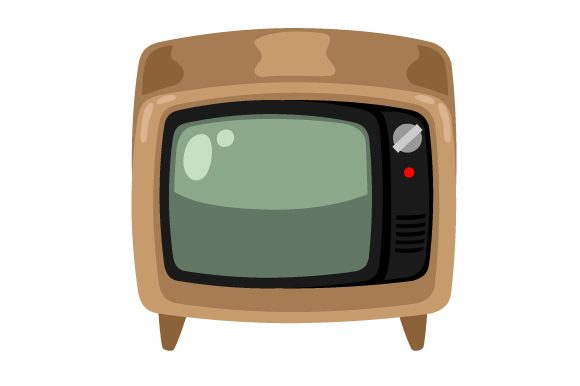
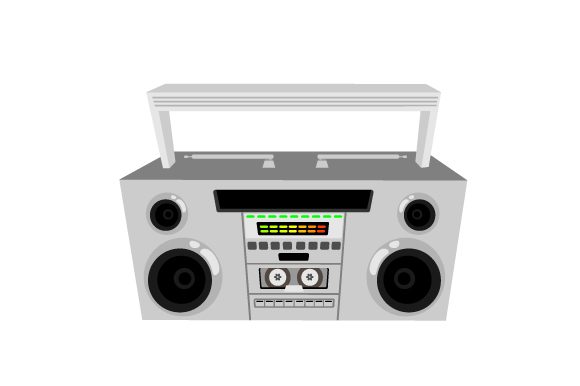
Retro Technology immediately evokes a sense of nostalgia. The design features bold geometric shapes, vintage circuit patterns, and a clean, minimalist layout that feels both modern and old-school. It’s the kind of look that could work well on tech-themed apparel, custom accessories, or even as a statement piece on a handmade item. The visual balance is strong, with enough detail to catch the eye without being overwhelming.
The theme is clearly rooted in retro technology—think old computers, analog devices, and 80s-inspired aesthetics. This makes it ideal for projects targeting enthusiasts of vintage design, tech lovers, or anyone looking to add a unique touch to their handmade products.
Real-World Use Cases: Where Retro Technology Fits Best
One of the first projects I thought of was a custom embroidered tote bag. Retro Technology would look great on a large, flat surface like a canvas tote. The design’s size and layout make it suitable for medium to large hoop sizes, which is a plus for embroiderers who want to avoid multiple hooping sessions.
It also works well on sweatshirts, caps, and aprons. The design’s simplicity allows it to adapt to different fabric types, though care must be taken with stretchy or textured materials. For baby items, the clean lines and lack of small details make it a safe choice for delicate fabrics.
Another scenario where this design excels is in holiday or gift-related projects. Think of a personalized kitchen towel with a retro tech motif, or a custom pillow cover for a tech-savvy friend. The design has a universal appeal that can be tailored to fit various occasions and personal tastes.
Challenges and Considerations: When to Be Cautious
While Retro Technology is versatile, there are some situations where it may not perform as well. Small hoop sizes can be problematic due to the design’s overall scale. If you’re working on a patch or a cap, you might need to adjust the design or split it into sections.
Thin or stretchy fabrics can also be an issue. The design’s stitch density may cause puckering or distortion if not stabilized properly. Dark fabrics require careful thread color selection to ensure visibility, and layered garments may need extra support to prevent shifting during stitching.
For intricate areas like corners or tiny lettering, the design holds up reasonably well, but it’s always wise to test on scrap fabric before committing to a final project. If you’re planning to use this on curved surfaces like caps, you’ll need to ensure the design is compatible with your embroidery machine’s capabilities.
Visual Appeal and Customer Perception
When it comes to visual appeal, Retro Technology delivers a strong, recognizable look. It’s the kind of design that stands out on a shelf or in an online store. Customers often respond positively to unique, thematic elements, and this design offers both style and substance.
In terms of product value, it adds a professional touch to any handmade item. Whether you’re selling on Etsy, at a craft fair, or running a small shop, a well-executed embroidery project can elevate your brand and build customer trust. The design’s clarity ensures that it looks sharp and polished once stitched.
Practical Designer Notes: How to Get the Best Results
Before using Retro Technology on a client project or your own merchandise, there are a few key steps to take. First, test the design on scrap fabric to see how it looks with your chosen thread colors. Some colors may not show up well on certain fabrics, so this step is crucial.
Review the stitch density to ensure it’s appropriate for your project. If the design is too dense, it may cause fabric distortion. Check the hoop size requirements and make sure your machine can handle the design’s dimensions. For small details, use a high-quality stabilizer to prevent puckering or shifting.
If you’re planning to sell finished products, confirm the licensing terms. While Retro Technology seems to be a digital embroidery file intended for personal or commercial use, it’s always good to double-check the terms provided by Designs Amp in the Crafts category.
Final Thoughts: A Versatile Design with Nostalgic Charm
Retro Technology is more than just a design—it’s a creative tool that can be adapted to a variety of embroidery projects. Its nostalgic aesthetic, clean layout, and versatility make it a valuable addition to any designer’s library. Whether you’re creating custom apparel, personalized gifts, or boutique merchandise, this design has the potential to enhance your work and attract a wider audience.
As with any machine embroidery design, success depends on proper preparation, testing, and attention to detail. But when done right, Retro Technology can turn a simple project into something truly memorable. For designers, crafters, and small business owners, it’s a worthwhile investment in both creativity and practicality.