Retro Vintage Partridge in a Pear Tree
First Impressions: A Nostalgic Design with Timeless Appeal
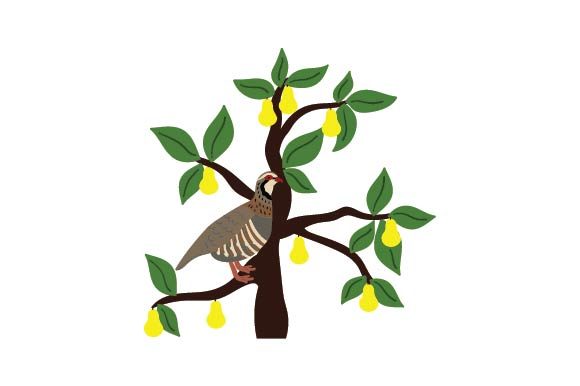
The Retro Vintage Partridge in a Pear Tree design immediately evokes a sense of nostalgia. Its classic, hand-drawn aesthetic feels like a lost treasure from a bygone era, perfect for those who appreciate the charm of traditional Christmas imagery. The layout is balanced and symmetrical, with a central partridge nestled among the branches of a pear tree. The level of detail is just right—enough to be visually engaging without overwhelming the eye.
This design would naturally fit into projects that lean into vintage or retro themes. It’s ideal for handmade products, personalized gifts, and holiday decorations that aim to feel authentic and meaningful. The visual personality of the design suggests it belongs on custom apparel, embroidered patches, or decorative home goods.
Real-Life Embroidery Scenarios: Where It Shines
When considering real-life embroidery scenarios, the Retro Vintage Partridge in a Pear Tree design works exceptionally well on items like tote bags, sweatshirts, and aprons. Its size and shape make it versatile enough for both large and medium-sized projects. For example, using it as a tote bag design adds a touch of elegance and tradition to a practical item that can be used daily or gifted during the holidays.
On baby clothes, the design offers a gentle, artistic touch that complements nursery decor. As an embroidered patch, it could be sewn onto jackets, backpacks, or even pet accessories. The design also lends itself well to holiday gift items such as pillow covers, tea towels, and kitchen linens. These are all products that benefit from a warm, nostalgic visual element that resonates with customers looking for handmade or personalized options.
For small business owners and Etsy sellers, this design could be a valuable addition to a craft business lineup. Its appeal crosses generations, making it a safe choice for a wide range of buyers. Whether used as a printable mockup or a digital product preview, the Retro Vintage Partridge in a Pear Tree has the potential to enhance brand consistency and attract attention in a competitive market.
Where to Be Cautious: Limitations and Considerations
While the Retro Vintage Partridge in a Pear Tree is a strong design, there are situations where it may not perform as well. On small hoop sizes, the detail might become too cramped, leading to less clarity in the final embroidery. Textured fabrics or thin materials could also pose challenges, as the design’s intricate elements may not show up as clearly.
Stretchy fabrics or dark backgrounds may require careful consideration of thread color contrast. If the design is stitched in a light color on a dark fabric, it may appear washed out or difficult to see. Similarly, on layered garments or curved surfaces like caps, the design may need extra attention to ensure proper placement and visibility.
For projects that involve frequent washing, such as baby clothes or reusable grocery bags, the stitch density and stabilizer use become critical. A design with too much fill stitch or satin stitch in dense areas could lead to pilling or distortion over time. It’s important to test the design on scrap fabric before committing to a larger project.
Impact on Visual Appeal and Customer Perception
The Retro Vintage Partridge in a Pear Tree design enhances the visual appeal of any project it’s used on. Its clean lines and soft curves contribute to a polished look that feels both professional and handmade. This balance is essential for creating products that stand out in a crowded market while still maintaining a personal touch.
Stitching clarity is another key factor. When executed properly, the design maintains its integrity, allowing each element to be clearly defined. This contributes to the overall value of the finished product, making it more appealing to customers who prioritize quality and craftsmanship.
For handmade shops and Etsy sellers, the design can help build customer trust. A well-executed embroidery project with clear details and thoughtful presentation can increase buyer engagement and encourage repeat business. It also supports brand consistency, especially if the design is part of a broader collection of holiday or vintage-themed items.
Practical Designer Notes: Testing and Preparation
As a designer, my first recommendation is always to test the Retro Vintage Partridge in a Pear Tree design on scrap fabric before using it on a final project. This allows you to assess how the stitches interact with different fabric types and adjust your settings accordingly.
Check thread color contrast carefully, especially if you’re planning to use the design on dark or light backgrounds. Review the stitch density to ensure it’s appropriate for the fabric you’re working with. Confirm the hoop size required for the design and make sure your machine can accommodate it.
Inspect small details like the partridge’s feathers and the pear tree’s branches. These elements should remain distinct and not merge together due to tight stitching. Test the design in black and white mockups to see how it looks without color, which can help identify any issues with contrast or clarity.
Use the proper stabilizer for the fabric type, and make sure the design works for both personal and commercial projects. Always confirm the licensing terms before selling finished items or digital products, as this can vary between different design providers.
Conclusion: A Versatile Design for Creative Projects
The Retro Vintage Partridge in a Pear Tree is a design that brings a sense of history and artistry to modern embroidery projects. Its nostalgic charm and balanced composition make it suitable for a wide range of applications, from custom apparel to holiday gifts and small shop merchandise.
With proper testing, careful execution, and attention to detail, this design can elevate any handmade product or commercial embroidery project. Whether you're an experienced embroiderer or just starting out, the Retro Vintage Partridge in a Pear Tree offers a reliable and appealing option for creative use.