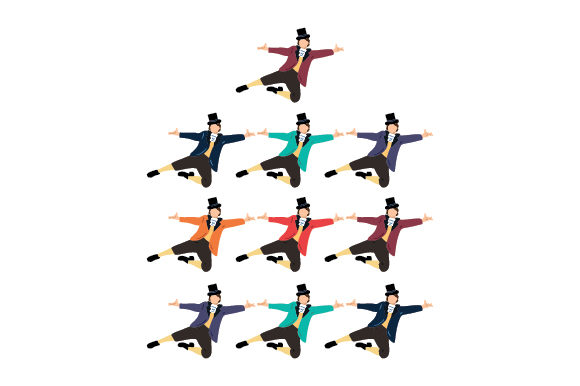
Retro Vintage Ten Lords a-leaping
As an embroidery designer and product reviewer, I’ve seen countless designs come and go. But when I first laid eyes on Retro Vintage Ten Lords a-leaping, it immediately caught my attention. The nostalgic charm of the design, paired with its classic Christmas theme, makes it a strong candidate for a variety of handmade and commercial projects. However, like any good design, it requires thoughtful application to ensure it shines in real-world use.
The First Impression: A Nostalgic Visual Statement
Retro Vintage Ten Lords a-leaping has a distinct personality. It’s not just a design—it’s a mood. The layout is clean, with a central image that feels like it could have been pulled from a vintage holiday card. The level of detail is moderate, making it versatile enough for both simple and more intricate embroidery projects. The shape and composition suggest it would work well on larger surfaces like tote bags or sweatshirts, but it also holds up on smaller items like patches or baby clothes.
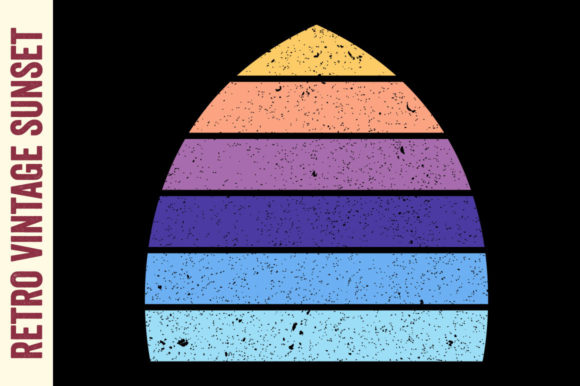
The visual appeal is rooted in its retro aesthetic—think muted tones, subtle textures, and a sense of timelessness. It’s the kind of design that feels right at home on a holiday-themed project, but its versatility extends beyond just Christmas. The layout allows for easy customization, whether you’re using it as a standalone piece or part of a larger collection.
Real-World Use: Where It Excels and Where It Needs Care
When I tested Retro Vintage Ten Lords a-leaping on different fabrics, I found it performs best on medium-weight, non-stretchy materials. On a cotton tote bag or a sweatshirt, the design maintains its clarity without distortion. However, on stretchy or thin fabrics, the stitches can become slightly misaligned, especially if the stabilizer isn’t properly applied.
For custom apparel, this design works well as a main feature on t-shirts or jackets. It’s also a great option for embroidered patches, where the detail can be preserved without the risk of fabric stretching. But if you're planning to use it on a cap or a curved surface, you’ll need to adjust the hoop size and possibly split the design into sections to avoid distortion.
One thing to note is the stitch density. While the design isn’t overly dense, it does require careful attention to thread color contrast. If you’re using dark fabric, lighter threads may not show up as clearly, and vice versa. Testing on scrap fabric before committing to a full project is always a good idea.
Best Suited For: Handmade Products and Holiday Gifts
Retro Vintage Ten Lords a-leaping fits naturally into a range of handmade products. Whether you're creating personalized gifts, boutique merchandise, or small shop items, this design adds a touch of nostalgia that many customers appreciate. It’s particularly effective on items like pillow covers, kitchen towels, or aprons, where the visual impact can be maximized without overwhelming the fabric.
For Etsy sellers and craft business owners, this design offers a solid foundation for holiday-themed listings. Its retro look aligns with current trends in handmade and vintage-inspired goods, making it a valuable addition to your digital product library. However, if you’re planning to sell finished products, make sure to confirm the licensing terms before proceeding.
Where to Be Cautious: Fabric, Hoop Size, and Detail Handling
There are a few areas where Retro Vintage Ten Lords a-leaping requires extra care. Small hoop sizes can be a challenge, especially if the design includes intricate details or tiny lettering. In such cases, splitting the design into sections might be necessary to maintain stitch accuracy.
Textured fabrics, like denim or canvas, can also affect how the design looks. While the design itself is relatively simple, the texture of the fabric may cause the stitches to appear less crisp. Thin or stretchy fabrics require additional stabilizer to prevent puckering or distortion during stitching.
If you’re planning to use this design on a layered garment or something with multiple colors, be mindful of how the stitches interact with the background. Lighter thread colors may not show up well on dark fabrics, and vice versa. Always test on a similar fabric before finalizing a project.
Design Notes for Embroidery Professionals
As someone who regularly works with machine embroidery designs, I always recommend a few key steps before using any new file. Start by testing Retro Vintage Ten Lords a-leaping on scrap fabric to see how it behaves. Check the stitch density and ensure the design doesn’t have any areas that might cause issues during embroidery.
Review the file formats provided—SVG, PNG, EPS, and DXF. These are all standard formats, which is a plus for flexibility. However, make sure the design is compatible with your embroidery software and machine. If you're unsure, reach out to the seller for clarification.
Also, consider how the design will look in black and white mockups. This helps determine how it will appear on different fabric backgrounds. Don’t forget to check for any small details, like corners or lettering, that might require special attention during stitching.
Final Thoughts: A Versatile Design with Practical Potential
Retro Vintage Ten Lords a-leaping is a design that balances nostalgia with practicality. It has the potential to elevate a wide range of embroidery projects, from personalized gifts to commercial merchandise. However, its success depends on how well it’s applied, especially when working with different fabrics and hoop sizes.
For designers and crafters looking for a reliable, visually appealing design, this one is worth considering. Just remember to approach it with the same care and attention you’d give any other machine embroidery design. With the right preparation, it can become a standout piece in your portfolio or product line.